
THE HOUSEMAID
What would you do if the only exit from your past was the front door to someone else’s mansion? How far would you go to protect the secrets that defined you, even if it means becoming complicit in someone else’s secrets? Freida McFadden, the undisputed queen of viral psychological thrillers, built with The Housemaid a phenomenon that transcended pages to become a collective obsession on BookTok. This isn’t a literary thriller with award pretensions; it’s a narrative machine designed to be devoured in a single night of self-inflicted insomnia, where each chapter ends with a hook that makes closing the book physically impossible. McFadden masters the codes of domestic suspense with surgical precision: she knows exactly which buttons to push so you lose all sense of time while Millie scrubs other people’s floors and plans something you won’t discover until it’s too late.
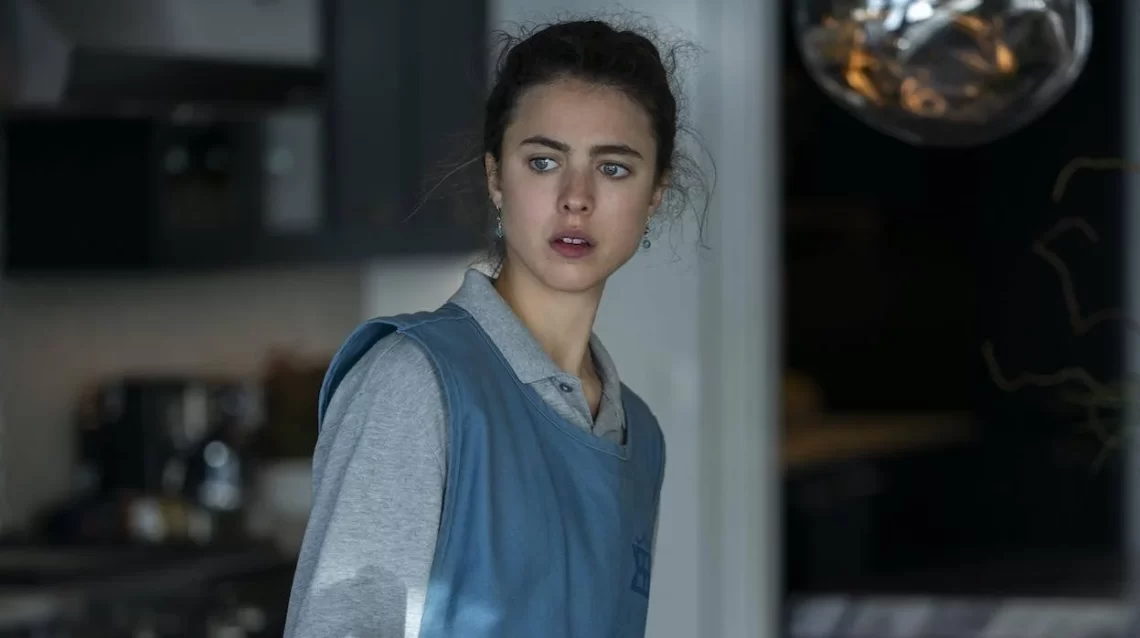
Millie desperately needs a job and a place to live, two things she gets when the Winchester family hires her as a live-in housekeeper. The mansion is perfect: impeccable design, luxury appliances, magazine-worthy life. But Nina Winchester dirties what Millie just cleaned only to watch her kneel again, compulsively lies about her own daughter, treats her husband Andrew with cruel disdain. Andrew, attractive and miserable, becomes the only glimmer of humanity in that poisoned house. Millie observes, cleans, obeys, climbs each night to her tiny attic room where the door only locks from the outside. And that’s when McFadden begins dismantling everything: Millie isn’t who she appears to be, Nina hides something far more disturbing than simple cruelty, and Andrew is trapped in a web he doesn’t even comprehend. The novel functions like Russian nesting dolls: each revelation opens a new layer of deception, each twist forces you to reinterpret what came before, until reaching a climax that divides readers between “brilliant” and “too over-the-top” with no middle ground.
McFadden writes with absolute efficiency: extremely short chapters designed as addictive doses, first-person narration that turns readers into accomplices of Millie’s omissions, relentless pace that prioritizes speed over atmosphere. Nina’s characterization as villain is effective but cartoonish; Andrew never achieves real psychological complexity. However, the real achievement is updating domestic noir with contemporary sensibility and class consciousness: Millie isn’t a curious neighbor or missing wife, she’s domestic help observing from below how the one percent lives. McFadden subverts the “innocent maid vs evil mistress” trope by revealing both are expert players in manipulation. The mansion functions as psychological battlefield, with echoes of Daphne du Maurier’s Rebecca but stripped of Gothic nostalgia and replaced with viral dynamism. McFadden perfectly understands thrillers in the social media era: each twist calibrated to generate reactions, each cliffhanger designed to be discussed, each revelation calculated so you run to the internet asking
DID ANYONE ELSE JUST READ THAT?
Is The Housemaid high literature? No. Prose is functional to the point of invisibility, secondary characters are sketches, some twists border on implausible. But asking that misses the point: this thriller is designed to hijack your attention for 300 pages and not release you until the final line. And in that, McFadden succeeds resoundingly. This novel is for those who devour Gone Girl in two days desperately seeking to recreate that sensation; for active BookTok members who enjoy literary viral phenomena; for readers who prioritize breakneck plot over introspection; for anyone who fantasized about revenge on an abusive employer. McFadden created a franchise (four books now) that perfectly understands its audience and delivers exactly what they seek without apologies. If you’ve ever cleaned someone else’s house while they lived lives you could only imagine, if you’ve ever entered someone else’s space wondering what secrets those impeccable walls hide, then The Housemaid will ask you an uncomfortable question: who really controls the narrative when you enter another person’s house? Because sometimes, the employee knows much more than she appears to. Are you ready to discover what Millie hides?


