
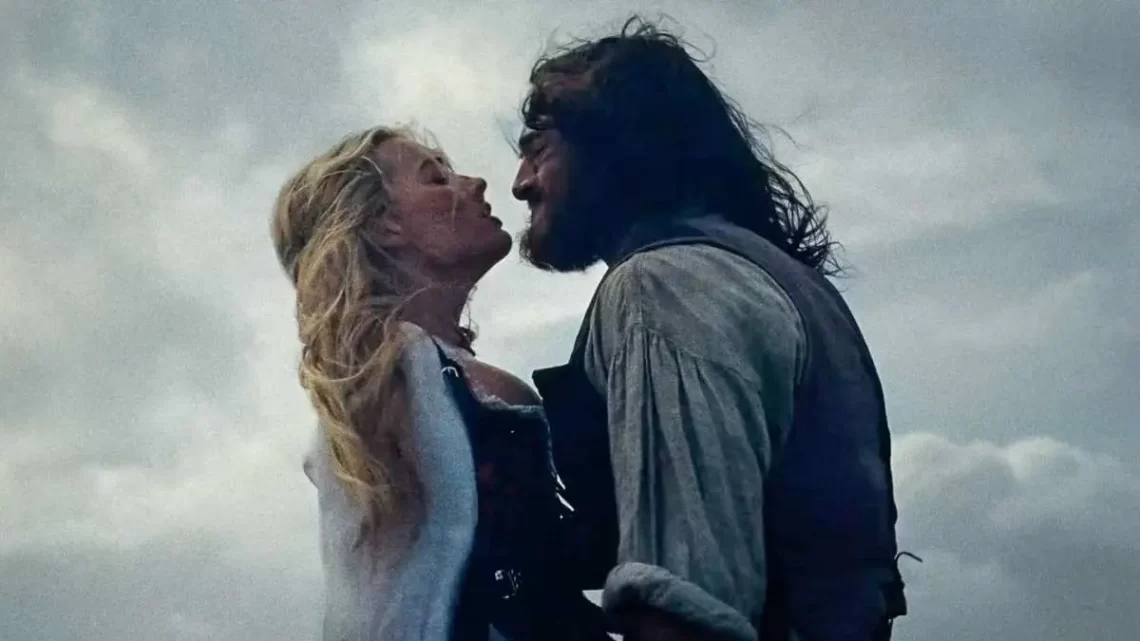
Wuthering Heights: Emerald Fennell Dares to Tackle Literature’s Most Toxic Romance
There are books that divide people. Emily Brontë’s Wuthering Heights is one of those: you either love it madly or detest it with your whole soul. There’s no middle ground. Now Emerald Fennell, the director who disturbed us with Promising Young Woman and hypnotized us with Saltburn, dares to adapt this British Gothic novel that’s been making readers uncomfortable for nearly two centuries. With Margot Robbie as Catherine Earnshaw and Jacob Elordi as Heathcliff, this version promises to be as beautiful as it is devastating. But here’s the uncomfortable question: do we really need another Wuthering Heights adaptation? Or does Fennell have something new to tell us about obsessive love, revenge, and how trauma turns people into monsters?
Catherine Earnshaw and Heathcliff love each other with an intensity that transcends life itself. But Catherine, raised in the misery of the English moors, chooses to marry Edgar Linton for his social position, abandoning the only man who truly understands her. Heathcliff, destroyed and humiliated, disappears only to return years later as a wealthy, powerful man thirsting for revenge. What follows is a spiral of multigenerational destruction where no one emerges unscathed. This isn’t a romantic love story. It’s a story about how childhood abuse, social inequality, and resentment can rot a soul until it becomes pure poison. Heathcliff isn’t a tragic hero; he’s a villain who was a victim first. Catherine isn’t a misunderstood heroine; she’s a selfish woman who chose money over her heart and paid the price. Both are unbearable. Both are profoundly human.
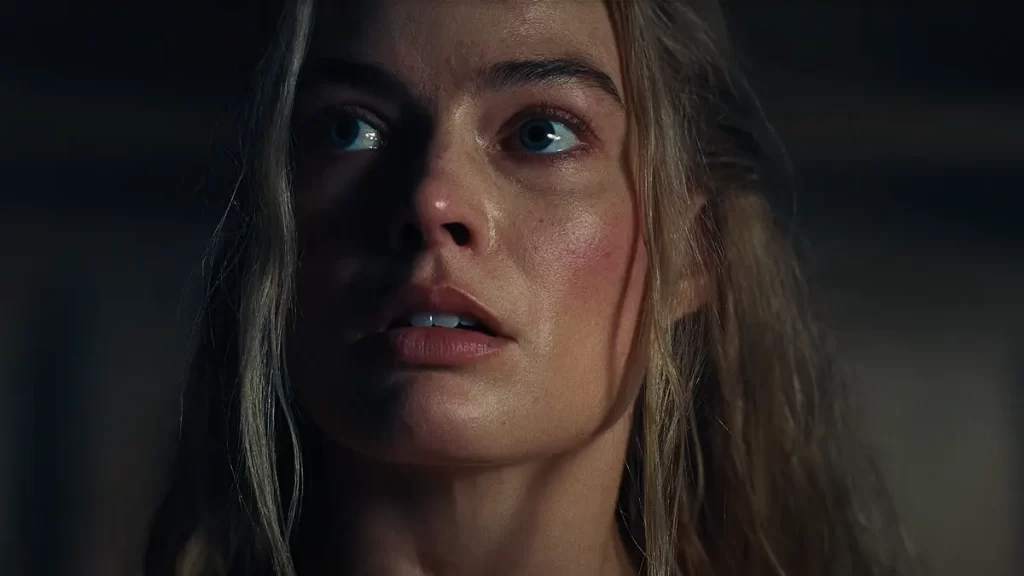
Emerald Fennell has a disturbing talent for portraying toxicity with visual beauty. In Promising Young Woman, she turned female revenge into something uncomfortable and necessary. In Saltburn, she explored obsession and class desire with a decadent visual style you can’t stop watching even when you want to. Now, with Wuthering Heights, she has the opportunity to do something few adaptations have achieved: show that this isn’t a romance, but a tragedy about two broken people who destroy each other. Margot Robbie as Catherine is a fascinating choice; we need to see her selfishness, her uncontrolled passion, her inability to choose between what she wants and what society expects. Jacob Elordi as Heathcliff has the physicality and intensity, but the challenge will be showing why this character has been so polarizing: he’s simultaneously a victim of racism and classism, and a perpetrator of domestic abuse and manipulation. If Fennell dares to show both sides without romanticizing either, we could have something special. But there’s a risk: that Fennell’s visual aesthetic overshadows the emotional rawness that makes Wuthering Heights so heartbreaking. Emily Brontë wrote this novel with a poisoned pen, with no concessions or happy endings. We hope Fennell respects that.
This movie isn’t for those seeking a pretty period romance. It’s for those who understand that British classics can be more disturbing than any modern thriller. It’s for those who’ve read the book and know Heathcliff isn’t Edward Cullen or Mr. Darcy, but something much darker and more human. It’s for those who believe Emerald Fennell is one of the most interesting directors working today and want to see how she interprets one of the most controversial novels ever written. When February 2026 arrives, Wuthering Heights will remind us that love doesn’t always save—sometimes it destroys. And that the best stories are those that make us so uncomfortable we can’t stop thinking about them. Wuthering Heights is a must-see if you believe true love can be both your salvation and your eternal damnation.


